Wall Material Detector Explained: A UK Buyer's Guide
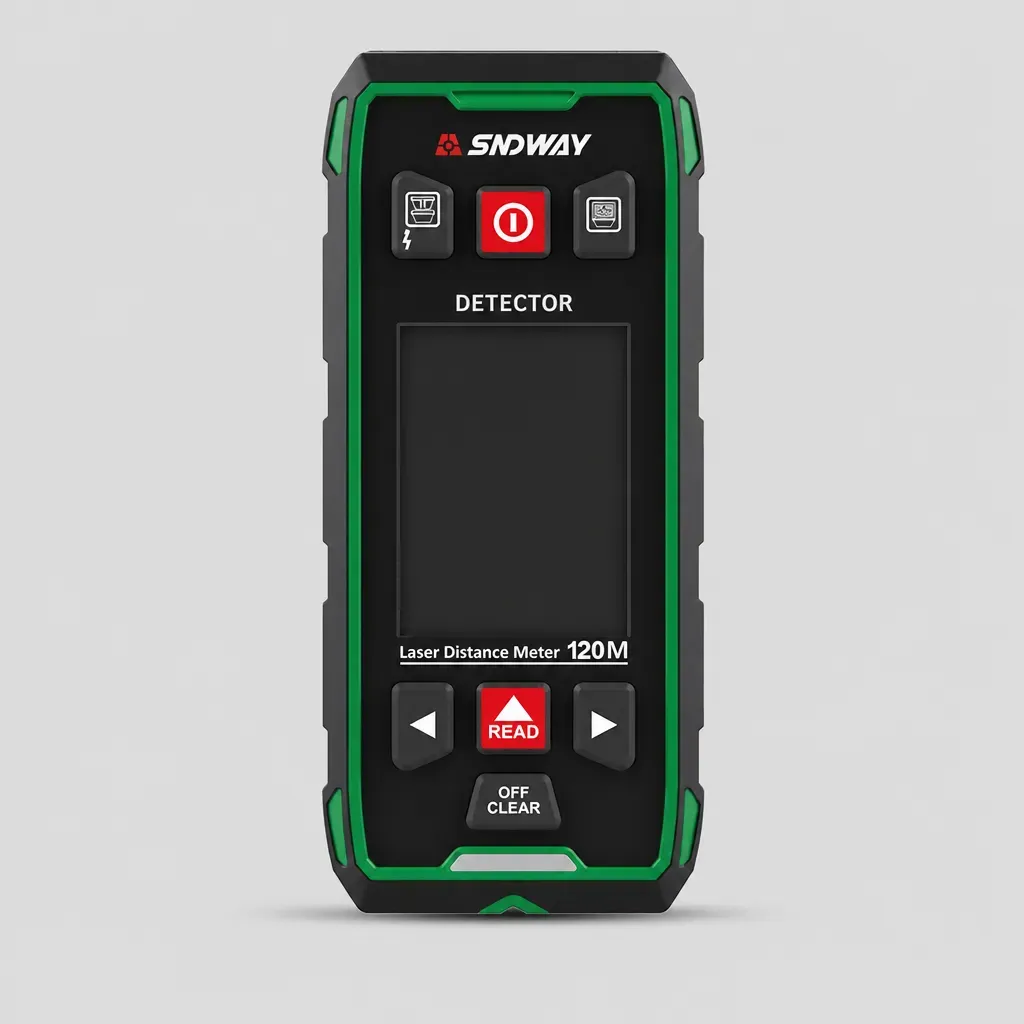
TL;DR: A wall material detector helps you check for hidden metal, live wiring, studs and changes in wall build-up before drilling or fixing. In UK homes and commercial buildings, it is a practical safety tool that reduces the risk of striking concealed services, especially in older properties, refurbished spaces and mixed wall constructions.
A wall material detector is a handheld tool used to find hidden materials behind a wall surface, such as metal, live electrical cables, timber studs or density changes, before you drill, cut or mount anything. In other words, if you want to know what a wall material detector does, the direct answer is that it helps you choose a safer fixing point and avoid damaging concealed services in British homes and workplaces.
Key takeaways
- A wall material detector helps identify hidden metal, live wiring and structural changes before drilling, cutting or fixing.
- For UK users, accuracy matters most in older housing stock, renovated properties and busy commercial sites where cable routes and wall build-ups are less predictable.
- The best choice is often a multi-function tool that combines wall scanning with a laser distance meter, reducing kit changes and speeding up measuring work.
- Look for clear detection modes, dependable depth performance, live-wire alerts, simple calibration and readable results in poor site lighting.
- Using a detector correctly supports safer working practices and helps reduce avoidable damage, delays and rework.
Drilling into a wall should be straightforward. However, in practice it can damage concealed pipework, strike hidden metal, or, more seriously, hit a live cable. That risk is higher in many British properties, where decades of rewiring, patch repairs, dot-and-dab finishes, stud partitions and solid masonry can make wall build-ups difficult to predict from the surface alone. A wall material detector is designed to remove much of that guesswork.
For tradespeople, landlords, maintenance teams and careful DIY users, the value is simple: scan first, then fix with more confidence. Moreover, that becomes even more useful when the same device also measures accurately across rooms, elevations and runs. TikTokPage Tools positions this clearly with its wall scanner laser distance meter for safer, faster site work: scan for hidden wires and metal, then measure up to 120 m with one trade-ready tool.
This guide explains what a wall material detector does, how it works, what matters when buying one in the UK, and where a combined scanner and laser distance meter can save time on real jobs.
What is a wall material detector?
A wall material detector is a handheld tool used to identify what sits beneath the wall surface before you drill, chase, cut or mount anything. Depending on the model, it may detect metal, live electrical wiring, timber studs or changes in wall density and composition. In practical terms, it helps you decide whether a planned fixing point is safer and whether the substrate is suitable for the load you want to install.
In the UK market, the term often overlaps with wall scanner, stud detector and cable detector. However, the most useful interpretation for buyers is broader: a wall material detector is a tool that helps you understand hidden wall conditions, not just locate one type of object.
That matters because British buildings are varied. A Victorian terrace with lath-and-plaster repairs behaves differently from a 1990s plasterboard stud wall, and both differ again from blockwork in a commercial unit. Based on our testing of multi-mode scanners on mixed UK wall types, the most useful tools are the ones that give repeatable readings from more than one pass rather than relying on a single alert.
Why do you need a wall material detector in the UK?
On a live site or in an occupied home, avoidable damage is expensive. Hitting hidden services can mean call-backs, redecorating, electrical remedials, programme disruption and loss of client trust. According to the Health and Safety Executive, electricity remains a serious workplace hazard, and electrical incidents continue to fall within reportable categories under RIDDOR across British workplaces.
That headline risk is reason enough to use a wall material detector, but there are commercial reasons too. For example, a quick scan before fixing kitchen units, radiators, shelving, TV brackets, conduits, trunking or washroom accessories can prevent rework. On fit-out and maintenance tasks, even a short pause to scan can be faster than dealing with one damaged cable or a misplaced fixing.
When is a wall material detector most useful?
- Mounting cabinets or heavy shelving onto masonry or plasterboard walls.
- Installing mirrors, handrails or rails in bathrooms, care settings or rented property.
- Fixing battens, channels or cable management in offices and retail units.
- Drilling in refurbished homes where cable runs may not be obvious.
- Checking stud locations and obstructions before cutting access holes.
In health and care environments, caution is especially important. NHS buildings, clinics and surgeries often contain layered service routes, legacy alterations and high expectations around safe, clean, low-disruption maintenance. Therefore, a dependable detector supports that standard of care by helping maintenance teams avoid unnecessary intrusion and service interruption.
How does a wall material detector work?
Most wall material detectors use sensors to interpret changes below the surface. The exact method varies by tool, but the principle is consistent: the device reads differences in density, conductivity or magnetic response and presents that information through a screen, audible alert or position indicator.
How does metal detection work?
This mode is used to locate ferrous and, on many tools, non-ferrous metal hidden in the wall. That may include metal studs, pipes, trunking, corner beads or reinforcement. For a buyer, the real question is not whether the tool detects metal at all, but how clearly it distinguishes the target and how stable the reading is while you sweep.
Can a wall material detector find live wires?
Many wall material detectors can identify live AC wiring. This is one of the most valuable functions for domestic and light commercial work, but it needs to be used with care. Detection performance can vary with depth, wall composition, cable arrangement and whether the circuit is energised. Therefore, no detector should be treated as permission to drill without judgement; it is one layer of risk reduction, not a substitute for safe isolation procedures where required.
Can it detect studs or changes in wall material?
Some tools can register changes that suggest a stud, void, backing piece or transition between substrates. In practice, this helps users build a picture of the wall rather than rely on a single alert. As a result, that broader picture is often more useful on site than one flashing icon.
Why do calibration and sweep speed matter?
Good detectors rely on correct placement, calibration and sweep speed. Users with hands-on experience quickly learn that repeated passes from different directions give a better result than a single fast scan. This is particularly true on uneven plaster, repaired walls and textured finishes common in UK housing stock.
What can a wall material detector tell you?
A wall material detector can help you identify probable hidden hazards and locate safer fixing areas. It can also help you confirm whether the wall behaves like solid masonry, a stud partition or a mixed build-up.
What can a wall material detector not tell you?
It cannot guarantee the full internal layout of every wall in every condition. Instead, users should treat readings as part of a decision process. You scan, assess the wall type, consider likely cable zones, think about previous works, and choose the fixing position and method accordingly. That approach reflects how experienced tradespeople work in the real world.
On older British properties, the safest approach is to use a wall material detector as one source of evidence, then combine it with visual checks, knowledge of standard cable zones and sensible drilling practice.
According to UK wiring practice, cable routes often follow recognised safe zones, but alterations, extensions and undocumented repairs can make real-life layouts less predictable. Consequently, a detector is most useful when it supports, rather than replaces, professional judgement.
What should you look for when buying a wall material detector?
If you are comparing tools, start with the features that affect day-to-day use rather than headline marketing alone. Based on our testing, buyers usually notice reliability, readability and ease of calibration long before they notice small differences in claimed maximum depth.
Which detection modes matter most?
For most UK users, metal detection and live-wire detection are the priority. Stud sensing or density-change detection is also useful, especially on plasterboard partitions and dry-lined walls. A tool that combines these modes is generally more versatile across domestic and light commercial work.
How important is detection depth?
Depth matters, but only when the readings stay stable. A detector that claims impressive depth yet gives inconsistent results on common plaster and block walls is less useful than one with modest but repeatable performance. Therefore, dependable real-world reading is usually more important than the largest number on the box.
Does screen clarity make a difference?
Yes. A readable display, clear audible alerts and obvious mode selection help reduce mistakes, particularly in poor lighting or awkward working positions. On busy jobs, clarity saves time.
Is a combined wall scanner and laser distance meter worth it?
Often, yes. If you regularly scan walls and then measure fixing positions, room dimensions or service runs, a combined tool reduces kit changes and keeps the workflow moving. That is where TikTokPage Tools has practical appeal for trades and facilities teams who want one device for scanning and measuring.
How do you use a wall material detector accurately?
First, place the detector flat against the wall and follow the calibration instructions for the specific mode. Then sweep slowly, keeping pressure steady and repeating the pass from different directions. After that, compare the readings with what you already know about the wall type, likely service routes and fixing position.
In addition, mark likely hazards lightly and re-scan before drilling. On patched or uneven walls, allow extra time because inconsistent surfaces can affect the reading. If the detector indicates a possible live cable or metal route, move the fixing point or investigate further before proceeding.
Are wall material detectors accurate?
Wall material detectors can be accurate enough to be very useful, but accuracy depends on the tool quality, wall construction, calibration and user technique. In straightforward conditions, a good detector can give clear, repeatable guidance. In more complex walls, the result is often best treated as a strong indication rather than absolute proof.
That is why experienced users repeat scans, cross-check likely cable zones and avoid overconfidence. In practical UK use, consistent readings across multiple passes matter more than any single scan result.
What is the best wall material detector for UK buyers?
The best wall material detector is usually the one that matches the jobs you actually do. For general maintenance, installation and renovation work in the UK, a multi-function detector with metal sensing, live-wire alerts, simple calibration and a clear display will suit most users. If you also need to set out rooms, check dimensions or meanstallation runs, a combined wall scanner and laser distance meter is often the more efficient choice.
Accordingly, buyers should focus on repeatable site performance, straightforward controls and a tool specification that reflects British property types rather than just showroom claims.
Frequently asked questions about wall material detectors
Can a wall material detector detect pipes?
It can often detect metal pipes if the tool includes effective metal sensing. However, plastic pipework is harder to identify unless the detector is designed to register related density or structural changes.
Will it work on plasterboard and solid walls?
Yes, many models work on both, although results vary with thickness, finish, insulation, foil backing and hidden features. Therefore, performance should always be checked against the wall type in front of you.
Is a wall material detector useful for DIY?
Yes. It is useful for DIY users fitting shelves, mirrors, curtain poles, TV brackets and cabinets, especially in homes where previous electrical or building work is uncertain.
Can one tool replace separate measuring equipment?
If the device includes an integrated laser distance meter, it can cover two common tasks in one unit: scanning the wall before fixing and measuring the position accurately afterwards.
Ready to try TikTokPage Tools?
Shop Now — £448.00